Shopping West Bellevue and eyeing a home above seven figures? If your loan amount climbs beyond the local conforming limit, you will likely use a jumbo mortgage. With the right prep, jumbo financing can be smooth, competitive, and aligned with your long‑term goals. In this guide, you will learn what counts as a jumbo loan in King County, how lenders evaluate your file, what to expect from luxury appraisals, and how to present a winning offer in West Bellevue. Let’s dive in.
Jumbo basics in West Bellevue
A jumbo mortgage is any first mortgage that exceeds the conforming loan limit for the county. For 2024, the nationwide baseline one‑unit limit is $766,550. High‑cost counties use a higher limit. King County is treated as high‑cost, so when your loan amount is above about $1,149,825, you are in jumbo territory.
The key idea is that the loan amount determines whether the loan is jumbo, not the purchase price alone. If you are buying in West Bellevue and your purchase price minus down payment exceeds the local limit, you will need jumbo financing.
What lenders expect on jumbos
Credit and documentation
Lenders look for strong credit and full documentation. Many programs price best with scores around 720 to 760 or higher. You should be ready to provide two years of tax returns, W‑2s or 1099s, recent pay stubs if you are salaried, and complete bank and asset statements. If you are self‑employed, expect to provide two years of personal and business returns and a current profit and loss statement.
Down payment and LTV
Many jumbo programs permit loan‑to‑value up to 80 percent on a primary residence, which means 20 percent down. Larger down payments improve approval odds and pricing. For very large loans, some lenders cap LTV at 70 percent or lower. Portfolio lenders, such as local banks or credit unions, may offer different options based on your relationship.
DTI and cash reserves
Typical maximum debt‑to‑income ratios range from about 43 to 50 percent, depending on your credit profile, assets, and documentation strength. Jumbo loans commonly require reserves equal to 6 to 12 months of total monthly housing payments after closing. As loan size increases past $2 million, lenders often ask for 12 months or more in reserves.
Asset seasoning and gifts
Be ready to document the source of your down payment and closing funds. Lenders usually want to see large deposits seasoned for 60 to 90 days. Some programs allow a portion of gift funds, which require a gift letter and supporting documentation.
Appraisals on luxury homes
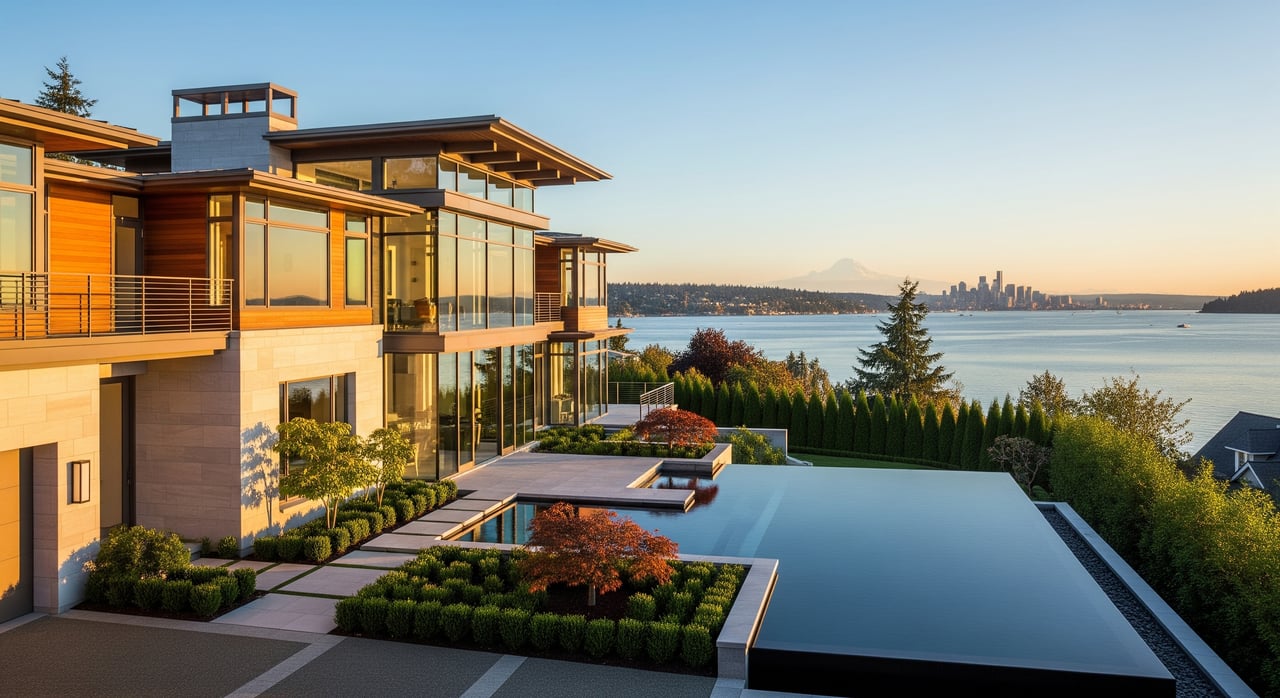
Luxury properties in West Bellevue often include custom design, significant view value, and unique sites. That can make the appraisal more complex. Lenders usually require a full interior and exterior appraisal completed by an appraiser with high‑value property experience. You may see longer timelines, higher appraisal fees, and occasionally a second appraisal request.
Because comparable sales for distinctive homes can be limited, the appraised value may land below the contract price. Protect your interests through thoughtful contingency language or by planning for appraisal gap coverage if you are comfortable and qualified.
Income and reserves: practical examples
Lenders evaluate income consistency and liquidity. If you are salaried, expect to provide two years of W‑2s and recent pay stubs. If you are self‑employed, plan for two years of personal and business returns and a current profit and loss statement. Investment or rental income can count if documented.
Here is a simple reserves example. Suppose you buy at $2,000,000 with 20 percent down, which creates a $1,600,000 loan. If your monthly payment including taxes and insurance is about $9,000, a 12‑month reserve requirement equals $108,000 in verified liquid or eligible assets after closing, on top of your down payment and closing costs.
Local property factors to know
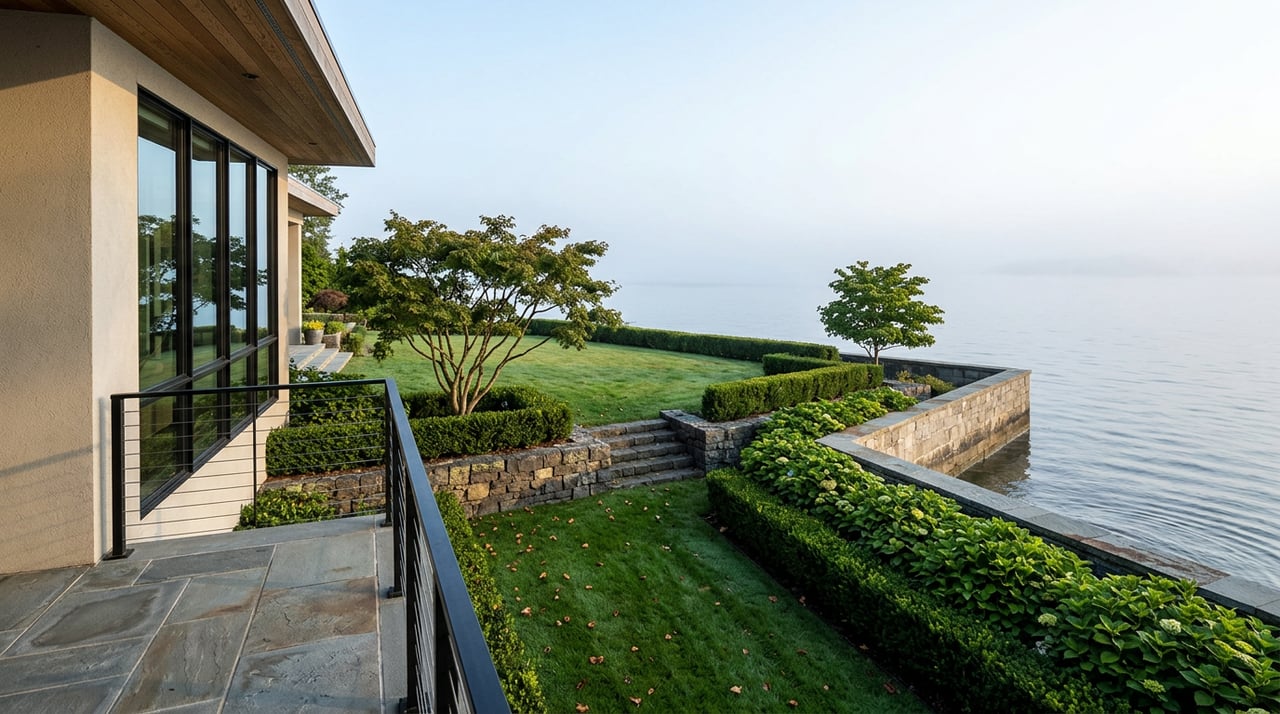
West Bellevue includes waterfront, steep‑slope, and custom estate properties. These sites can require added lender and insurance review. Be prepared to share permit history for any major renovations or additions, since lenders may need evidence that work was permitted. Waterfront or slope locations may involve higher insurance costs. Condominiums require a lender review of the association’s financials and project characteristics.
Strengthen your approval and offer
- Increase your down payment to lower LTV when possible.
- Pay down revolving balances to reduce your DTI before you apply.
- Build and season liquid reserves for at least 60 to 90 days.
- Review and improve your credit profile by correcting errors and avoiding new inquiries.
- Organize income documentation early, especially if you are self‑employed.
- Choose a lender experienced with jumbo loans in Greater Seattle. Experience helps with valuation and underwriting.
- Coordinate appraisal and financing contingencies to reflect jumbo appraisal realities.
Your jumbo readiness checklist
- Government ID and Social Security number.
- Two years of federal tax returns, all schedules. Business returns if self‑employed.
- Two years of W‑2s or 1099s and recent pay stubs covering 30 days.
- Bank and investment account statements for the past 2 to 24 months, as requested.
- Retirement account statements, noting any lender discount to account values.
- Explanations and documents for large deposits, transfers, or gifts.
- Signed purchase and sale agreement and seller disclosures once under contract.
- HOA documents for a condo purchase, if applicable.
- Current insurance quotes if requested by the lender.
Smart lender selection
Compare options and ask targeted questions. Large national banks, regional institutions, credit unions, mortgage brokers, and portfolio lenders can price and underwrite differently.
Questions to ask prospective lenders:
- Do you offer portfolio jumbo programs or access to multiple jumbo products?
- What minimum credit score and maximum DTI do you require for my target loan size?
- What LTV do you permit for a primary residence at my price point?
- How many months of reserves do you require for a loan of this size?
- How do you handle appraisals for luxury properties in Bellevue?
- What is your typical rate‑lock period, fee structure, and documentation standard?
Navigate West Bellevue with confidence
Jumbo loans are common in West Bellevue. With a clear plan, the right lender fit, and organized documentation, you can move quickly and compete on the best homes. If you want a calm, detail‑driven path from pre‑approval to closing, connect with a local advisor who blends financial rigor with white‑glove service. Reach out to Mari Moline to schedule your VIP consultation and map your next steps.
FAQs
King County jumbo limit for 2024
- For a one‑unit property, loan amounts above about $1,149,825 in King County are considered jumbo. Verify current limits with your lender before you apply.
Typical jumbo down payment needs
- Many lenders permit up to 80 percent LTV on primary residences, which means 20 percent down. Larger loans or complex profiles may require lower LTV.
Credit score expectations for jumbos
- Best pricing often starts around 720 to 760 or higher, but minimums vary by lender and overall file strength.
Reserve requirements on large loans
- Expect 6 to 12 months of housing payments in reserves for many loans under about $1.5 million, and often 9 to 12 months or more as loan size increases.
Appraisals for luxury waterfront homes
- Plan for a full interior and exterior appraisal by a high‑value specialist, longer timelines, and possibly a second appraisal if the lender requires it.
ARMs and interest‑only jumbo options
- Many lenders offer fixed, ARM, and some interest‑only options. These can lower initial payments, though you should plan for future rate changes and terms that vary by lender.